

4 Myths About Tooth Extraction
January 4, 2026
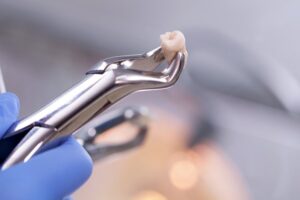
Tooth extractions are one of the most common dental procedures, yet they are often surrounded by fear and misinformation. While the idea of having a tooth removed can sound intimidating, modern dentistry has made extractions safer, more comfortable, and more efficient than ever before. Understanding the truth behind common myths can help ease anxiety and allow you to make informed decisions about your dental health. Here are 4 common myths about tooth extractions and the facts behind them.
Myth #1: Tooth Extractions Are Extremely Painful
One of the biggest fears patients have is that tooth extractions are very painful. In reality, modern dental technology and anesthesia have made the procedure much more comfortable than most people expect. Dentists use local anesthetics to numb the area completely, ensuring that you should not feel pain during the extraction. You may feel slight pressure, but discomfort is typically minimal.
After the procedure, some soreness or swelling is normal, but this can usually be managed with over-the-counter pain relievers, ice packs, and proper aftercare. Your dentist will provide detailed instructions to help promote healing and reduce discomfort. For patients with dental anxiety, sedation options are often available to make the experience even more relaxing.
Myth #2: It’s Better to Keep a Damaged Tooth at All Costs
While saving natural teeth is always the goal, there are situations where extraction is the healthiest option. Severely decayed, infected, or damaged teeth can spread infection to surrounding teeth, gums, and even other areas of the body if left untreated. In some cases, removing a problematic tooth can relieve pain and prevent more serious complications.
Dentists only recommend extractions when a tooth cannot be saved with treatments such as fillings, crowns, or root canals. When an extraction is necessary, your dentist will often discuss tooth replacement options, such as dental implants, bridges, or dentures, to restore function and appearance.
Myth #3: Recovery From an Extraction Takes a Long Time
Many people believe that recovery from a tooth extraction is lengthy and difficult. In most cases, recovery is relatively quick, especially for simple extractions. Most patients return to normal daily activities within a day or two, although complete healing of the extraction site may take a few weeks.
Following your dentist’s aftercare instructions is key to a smooth recovery. This usually includes avoiding smoking, using straws, or eating hard foods for a short period. Proper care helps reduce the risk of complications like dry socket and promotes faster healing.
Myth #4: Tooth Extractions Are Only Done for Severe Dental Problems
While extractions are often necessary for severely damaged or infected teeth, they are also performed for other reasons. For example, extractions are commonly part of orthodontic treatment when overcrowding prevents teeth from aligning properly. Wisdom teeth are frequently removed to prevent pain, infection, or damage to surrounding teeth.
In some cases, removing certain teeth can actually improve overall oral health and make future dental treatments more successful.
Tooth extractions are safe, routine procedures that are sometimes necessary to protect your oral health. Advances in dental technology and pain management have made extractions far more comfortable and efficient than in the past. If your dentist recommends a tooth extraction, discussing your concerns and understanding the benefits can help you feel more confident and prepared.
About the Practice
Looking for an expert, compassionate practice to handle your tooth extraction? Come see us at Rosenfeld Dental Associates. Our team is focused on your comfort, with the goal that you’ll never see what the big deal was in the first place! Our talented team of dentists has years of experience in this procedure. Book your appointment online or call (908) 668-7838.
No Comments
No comments yet.
RSS feed for comments on this post.
Sorry, the comment form is closed at this time.